


Saline-Alkali Soil
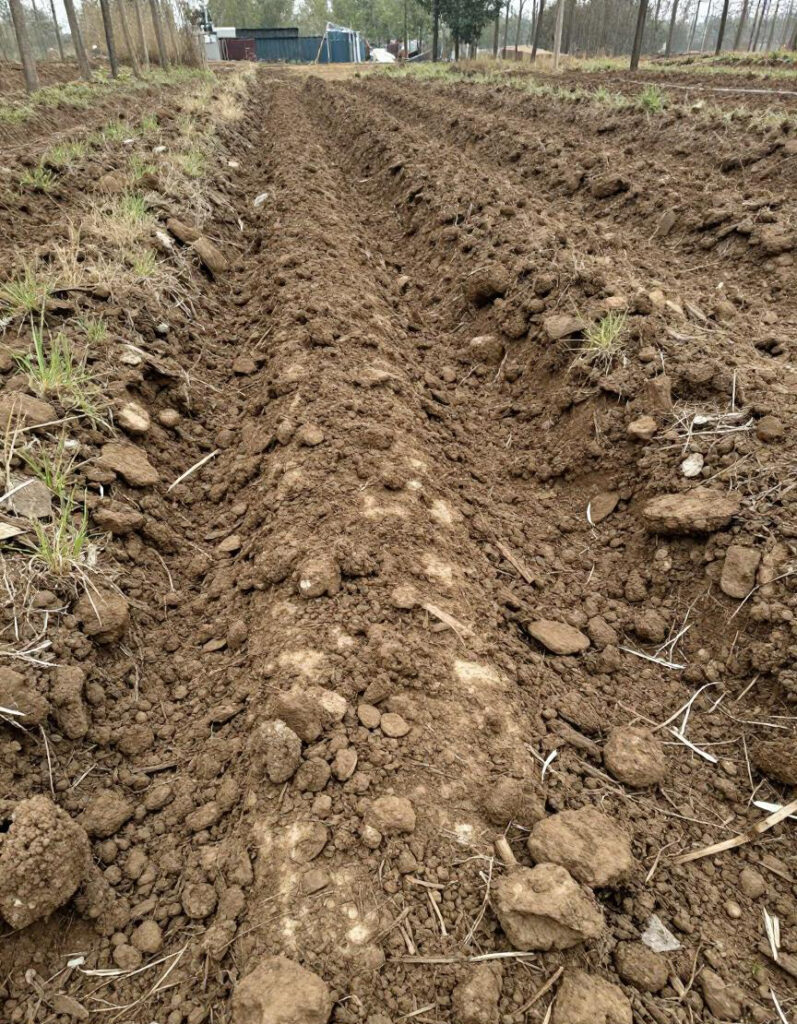
Contaminated Soil

Acidified Soil
Soil is an essential material condition in the plant growth environment, and different plants require different soil conditions to adapt to. In landscape construction projects, soil improvement to create an excellent growth environment for landscape plants is an important part of improving construction quality and a key process for enhancing the survival rate of landscape plants.
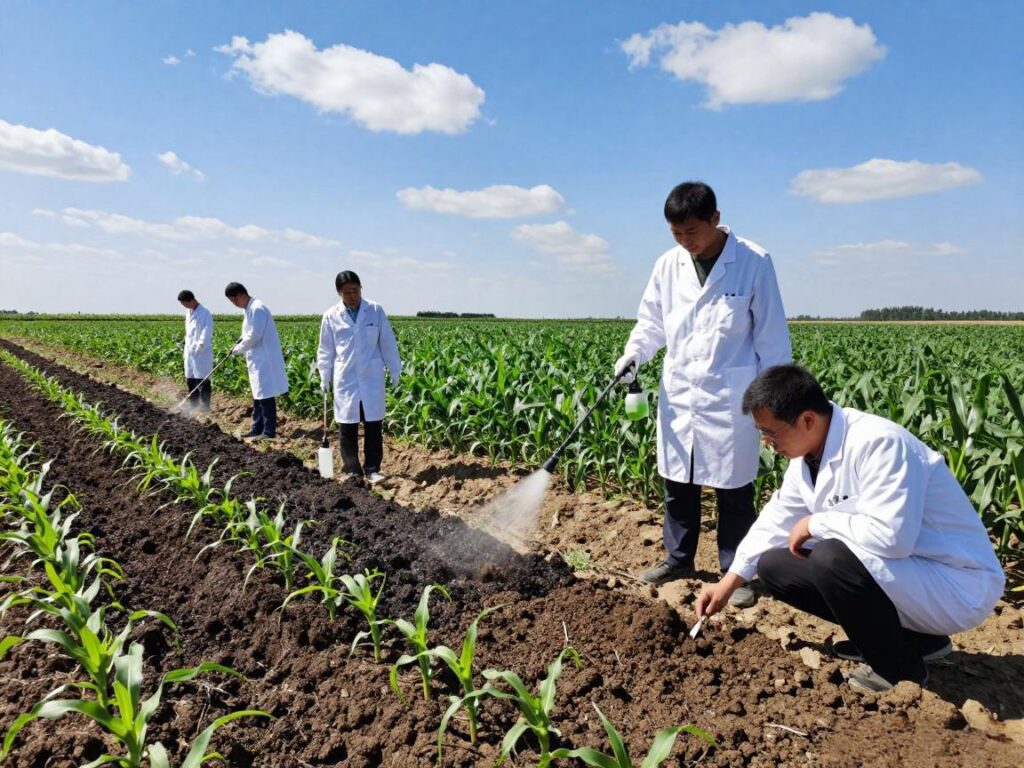
Chemical improvement is a measure used for large-scale soil improvement. The main method involves neutralizing alkaline ions in the soil through strong acid root ions, thereby reducing soil alkalinity. For example, applying ferrous sulfate to the soil for improvement utilizes the sulfate ions in ferrous sulfate to replace sodium carbonate in alkaline soil, reducing soil alkalinity and thus improving the soil. This method is very effective for improving alkalized soil.
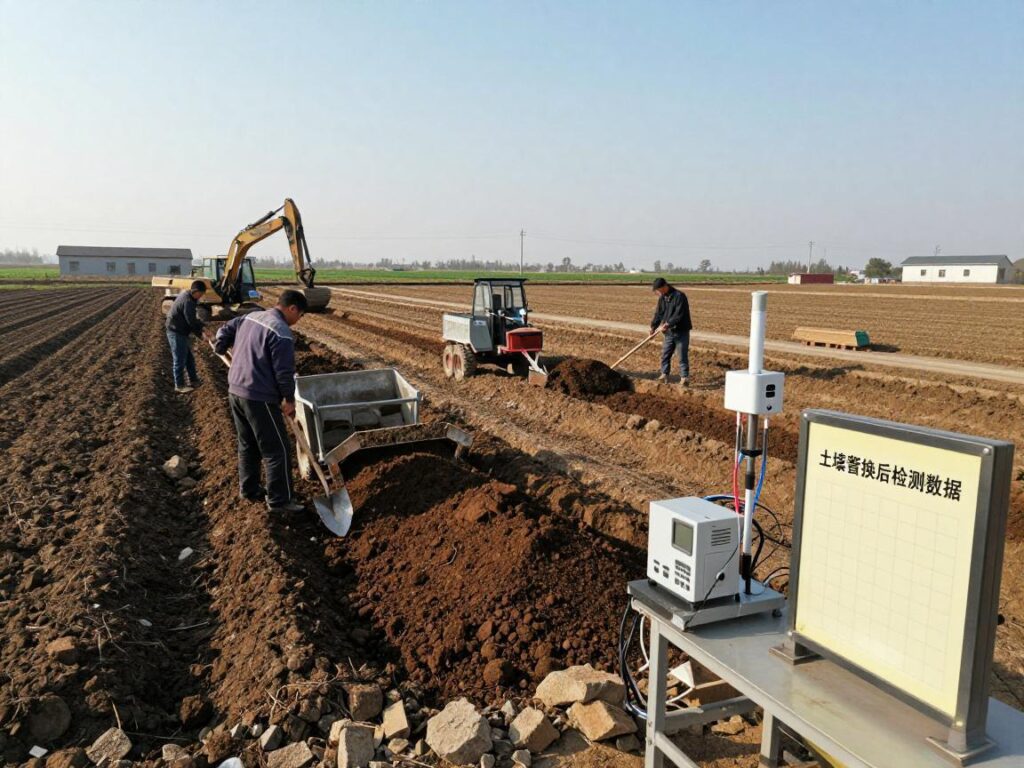
Cavity soil replacement is a local soil improvement measure. When excavating tree cavities at locations where acidic plants are to be planted, it is suitable to enlarge the cavities. Before planting, acidic high-quality nutrient soil, mountain soil, decomposed organic fertilizer, pond sediment, etc. are filled into the cavities. These soils are used to improve the soil through their own acidity, achieving the improvement of soil pH, permeability, and fertility in the tree cavities.
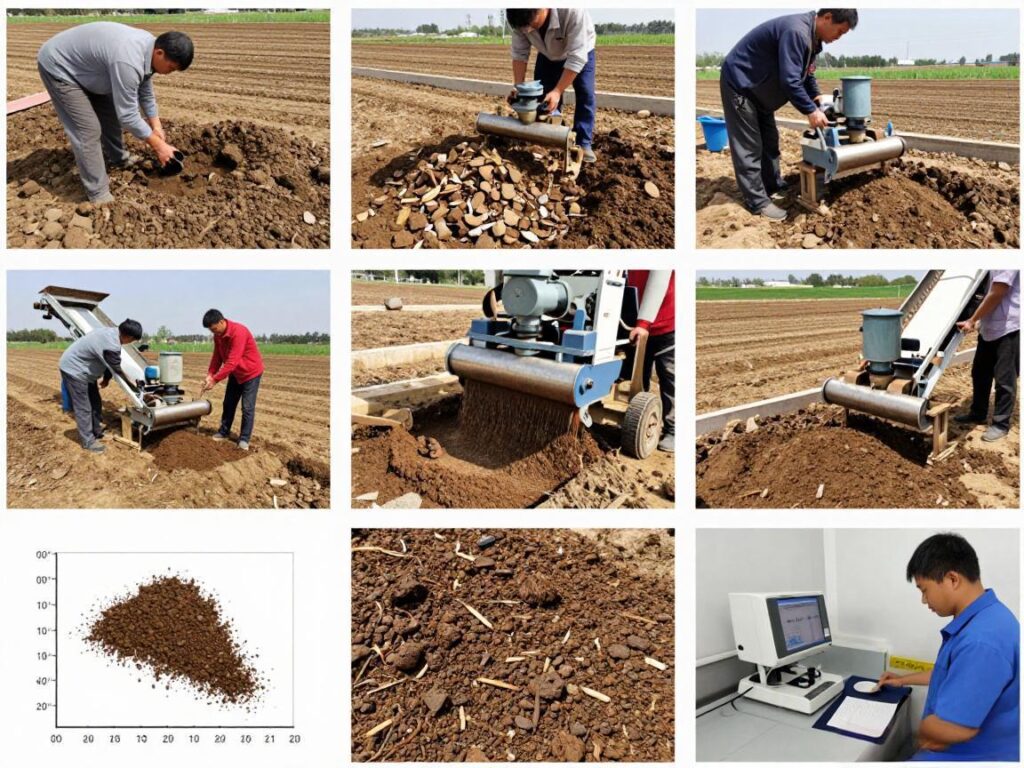
Utilizing the characteristics of alkaline substances in soil, mainly water-soluble salts or alkaline substances, the process involves dissolving the water-soluble salts or alkaline substances in surface soil through surface water, and then excavating drainage channels and irrigating the soil to dissolve the water-soluble salts or alkaline substances in deeper layers of soil. These substances are then discharged along with the drainage, effectively reducing the content of water-soluble salts or alkaline substances in the soil, and thus lowering the soil alkalinity.
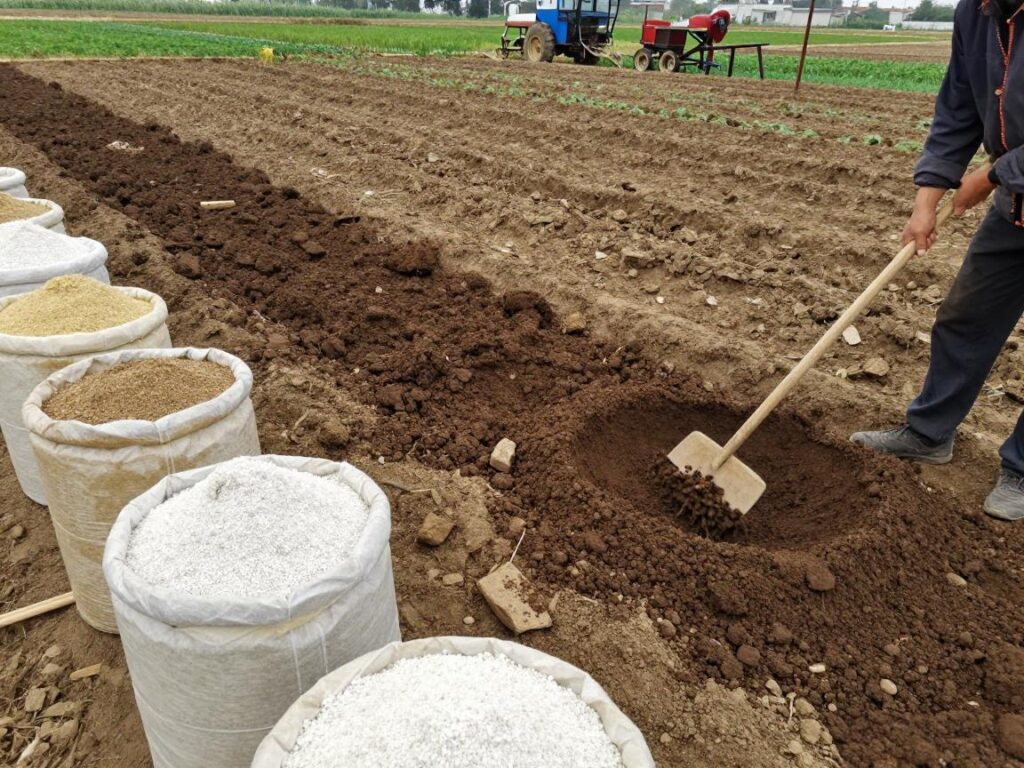
Organic fertilizers have strong cation exchange capacity, which enables them to absorb more potassium and ammonium
Elements such as magnesium and zinc, organic fertilizers contain many organic acids, humic acids, hydroxyl groups, and other substances, which have strong chelating abilities. They can chelate with many metal elements such as manganese, aluminum, and iron to form chelates, neutralize alkaline substances in the soil, prevent soil compaction, form an organic-inorganic aggregate, improve soil physical properties, enhance the soil’s own stress resistance, and create an excellent soil ecological environment.