English
 简体中文
简体中文 繁体中文
繁体中文 Deutsch
- Urban Flower Landscape Design and Full Cycle Solution
- Garden maintenance plan for high-end villas in Europe
- Landscape Soil Remediation Solution
- Detailed design plan for flower vases (landscape flower vessels) for garden styling
- Solution for the application of large-scale shaped seedlings in industrial parks
Garden maintenance plan for high-end villas in Europe
Garden maintenance plan for high-end villas in Europe
The garden maintenance of high-end villas in Europe has long gone beyond the scope of "mowing lawns and cleaning fallen leaves". It is essentially maintaining a highly stylized living landscape while reconciling the contradiction between ecological sustainability and low maintenance costs.
1、 Core maintenance philosophy: Style determines means
Before formulating a maintenance plan, it is necessary to clarify the style attribution of the garden, as the maintenance focus of French and English is completely different.
Dimension French Classical Garden English Natural Garden
The core of aesthetics is geometric symmetry, sense of order, natural wildness, layered mountains, and picturesque scenery
Key pruning points for maintenance: Hedges such as boxwood and yew should maintain sharp edges or rounded geometry. It is recommended to reshape them at least 3 times a year to maintain contour levels. To maintain the natural succession of trees, shrubs, and grasses, it is necessary to control dominant species and avoid overcrowding
Boundary treatment maintains the absolute cleanliness and line sense of the fence or high hedge, maintains the mixed flower border, allows some perennial flowers to lie down, and creates a soft edge
Regular cleaning of stone sculptures, symmetrical water channels, and fountains for hard landscape maintenance, removal of moss to maintain natural revetments, rust or aged iron works, and preservation of traces of time
2、 Zoning maintenance strategy: transition from architecture to wilderness
Modern high-end gardens usually adopt a gradient design of "high maintenance around the building, low maintenance around the perimeter", referring to the transition mode from geometric terraces to natural meadows in German landscape design.
1. Near the architectural area (exquisite area):
Positioning: An extension of the living room, such as an area equipped with an electric pergola and an outdoor kitchen.
Maintenance: Regularly clean the sunshade fabric and glass sliding windows of the pergola, and check the automatic rainwater sensor and lighting system. The lawn needs to be trimmed frequently (recommended 12 times a week during the growing season) to maintain a carpet like texture.
2. Viewing transition zone (shrub and perennial zone):
Positioning: Using plants to create landscapes that block the line of sight or guide the flow.
Conservation: Biodiversity should be introduced into this area. To avoid large-scale planting of a single species, it is recommended to mix plants with different flowering periods. Special attention should be paid to the maintenance of roses (such as Parma Monastery roses), ensuring ventilation and light, preventing powdery mildew, and timely pruning of residual flowers to promote flowering.
3. Peripheral ecological zone (low maintenance zone):
Positioning: Simulate natural meadows or forests.
Maintenance: This is the key to "reducing burden". Partial lawns can be converted into wildflower meadows, requiring only 12 cuts per year. Preserve dead branches, fallen leaves, and fallen trees to provide habitats for insects and birds, achieving ecological balance.
3、 Intelligent and sustainable maintenance measures
To address the common issues of water restrictions and high labor costs in European villas, technological measures should be adopted to improve efficiency.
Intelligent irrigation system:
For common green walls (vertical gardens) and rooftop gardens in villas, drip irrigation systems with soil moisture sensors must be installed. As shown in the case of high-end apartments in Rotterdam, the system can automatically replenish water based on substrate humidity, greatly reducing manual inspections and water waste.
For drought tolerant plants such as Mediterranean style rosemary and lavender, the principle of "dry and watered thoroughly" should be followed, and water should be replenished every 10 days during continuous drought in summer to avoid frequent shallow watering that may cause root floating.
Water conservation and mulching cultivation:
Cover the exposed surface of the flower bed with bark, crushed gravel or pine needles, with a thickness of about 58 centimeters. This can not only suppress weeds (reduce herbicide use), but also maintain soil moisture and regulate soil temperature.
Ecological prevention and control:
Abandon traditional pesticides and adopt biological control. For example, setting up sex pheromone traps for pests such as palm weevils; Using bird nest boxes to attract sparrows and control aphids.
It is recommended to keep a small "wild corner" or insect hostel in the corner of the garden, which can help establish a stable ecological chain and allow natural enemies such as ladybugs to help you control pests.
4、 Seasonal maintenance checklist
Spring: Clean up winter protective coverings, apply slow-release fertilizers (such as Aolv), and trim winter dead branches. Check and debug the automatic irrigation system.
Summer: Focus on maintaining shade plants (such as camellias and rhododendrons), avoid scorching sun, and keep the soil moist but not waterlogged. At noon, shade nets can be set up for embroidered balls and other plants. Trim overgrown branches promptly after rain.
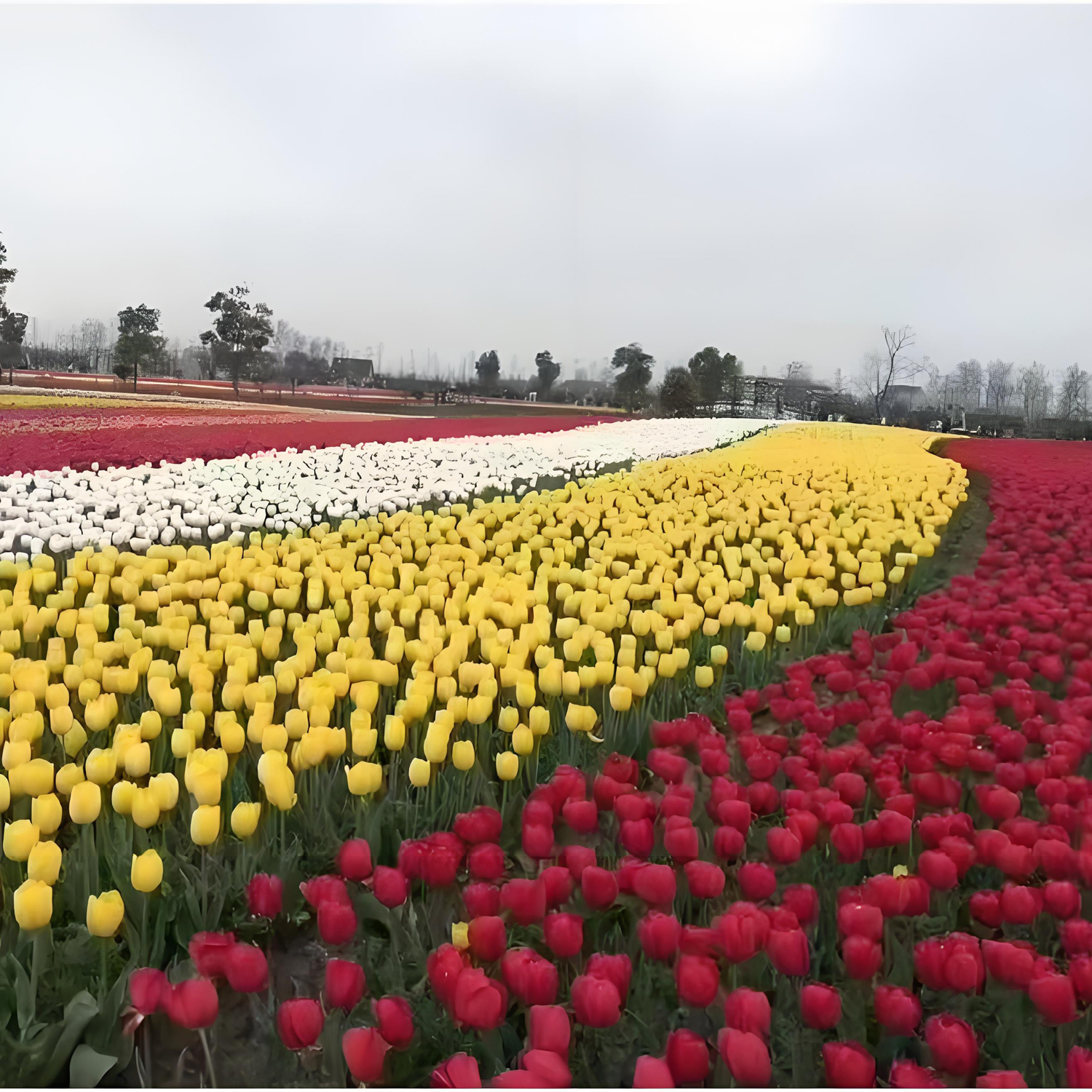
Autumn: This is the critical period for leaf sweeping, but the fallen leaves on the lawn need to be cleaned up in a timely manner to prevent root blockage, while the fallen leaves in the perennial flower area can be partially preserved as a wintering ground for insects. Plant bulbous bulbs (tulips, daffodils) that bloom in spring.
Winter: Trim trees and deciduous shrubs (excluding species before the bleeding period). Stop fertilizing and reduce watering. Inspect outdoor wooden platforms and stone for freeze-thaw damage.
5、 Exclusive care for specific plants
Camellia: prefers acidic soil (pH value about 5.56.5). It should be planted in a sheltered and semi shaded area, avoiding calcareous soil. The flowering period is in late winter and early spring, and it is necessary to ensure water supply at this time, otherwise it is easy for the buds to fall off.
Green hedge (such as cypress and boxwood): Maintain a trapezoidal pruning method with a narrow top and wide bottom to ensure that the lower branches can receive light and avoid bare bottoms.
The essence of maintenance for high-end villas in Europe lies in zoning planning at the design level and precise implementation of maintenance strategies: concentrating delicate maintenance that relies heavily on manpower in the core living area, while returning the vast peripheral areas to natural succession, supplemented by intelligent devices to monitor water and fertilizer conditions.
related products
Copyright © Beijing Oasis International Agriculture and Forestry Technology Co., Ltd. All rights reserved